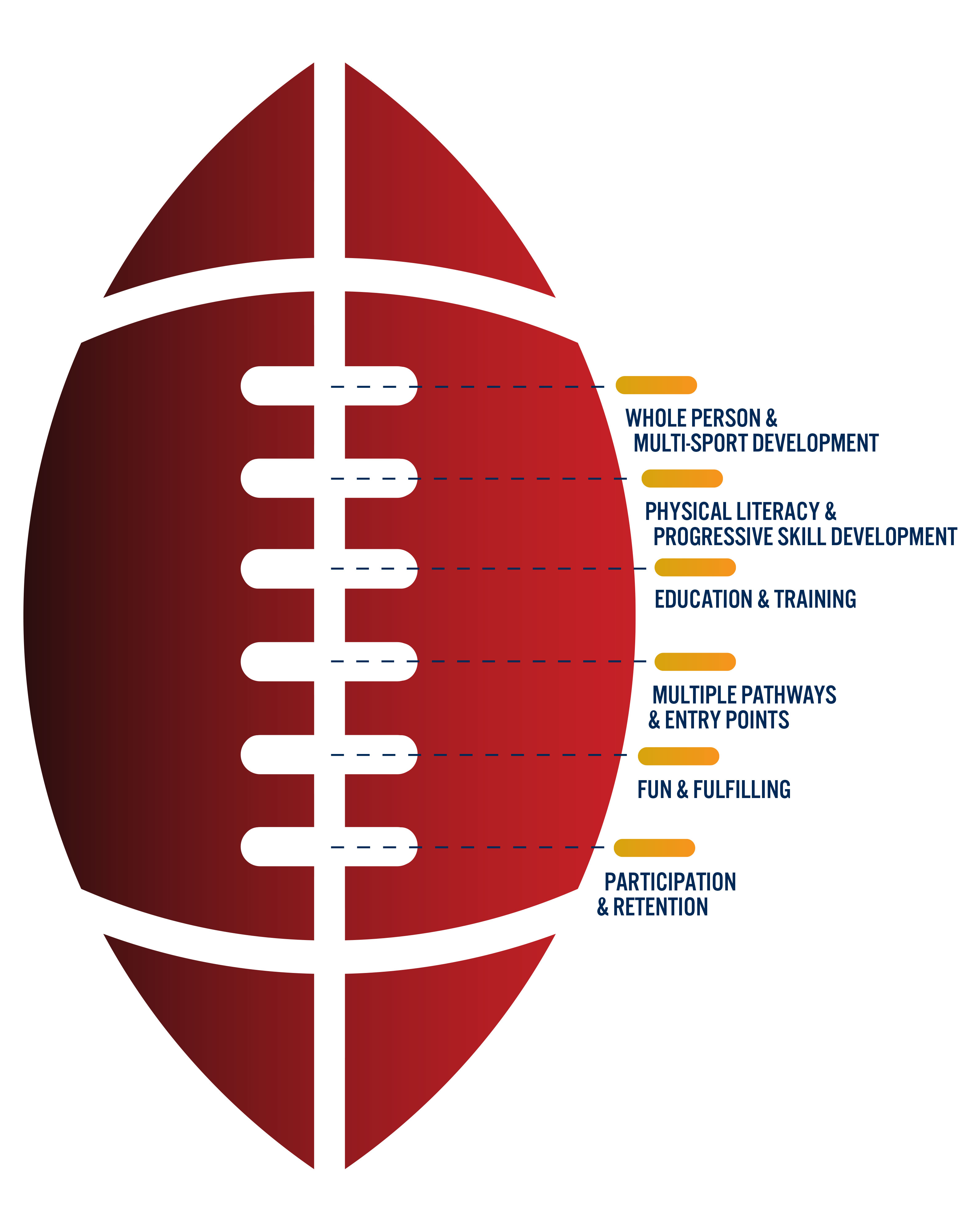
THE PILLARS
These six pillars are heart of the Football Development Model. When working together, they create the blueprint to better athletes and better football players.
When fully adopted, we believe the game will be more accessible and allow more athletes to participate. We also believe this will create better players and a better experience.
AGE-BASED STAGES
Offering sports based on age is common. In fact, baseball, basketball, soccer, and hockey are examples that come to mind. One of the benefits in our model is a more comprehensive structure to teaching and playing football in a progression that is age-appropriate and by the game that is being played.
Programs that follow the model and embrace age-appropriate instruction will ensure athletes experience the game the right way, in an environment suited for their stage of development. These age-based stages help us teach the game in the proper progression.
A 360 APPROACH TO ATHLETE DEVELOPMENT
ATHLETE HEALTH & WELLNESS
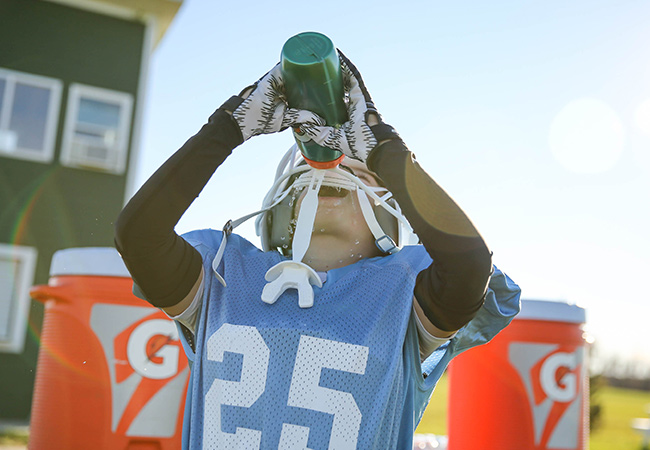
It's not enough to make football players better at football. The Football Development Model builds upon life-long values and lessons of the sport by going beyond teaching football skills.
Football creates opportunities to help athletes advance their thinking, feeling and behaving abilities. USA Football’s coach curriculum – built on the model’s principles – provides resources to guide that growth, from character development to teaching methods that meet athletes cognitive, social and emotional needs.
SKILL DEVELOPMENT
Football offers a wide range of physical activities and skills, not all of which are simple to learn, teach or perform. The model aligns skills in a step-by-step progression to make them easier to grasp and teach.
These Skill Progressions contain Skill Elements and Key Performance Indicators (KPIs) that vary in complexity as an athlete advances stage by stage. This approach to skill development helps coaches choose appropriate drills while providing a consistent coach-to-player language.
SKILL PROGRESSIONS
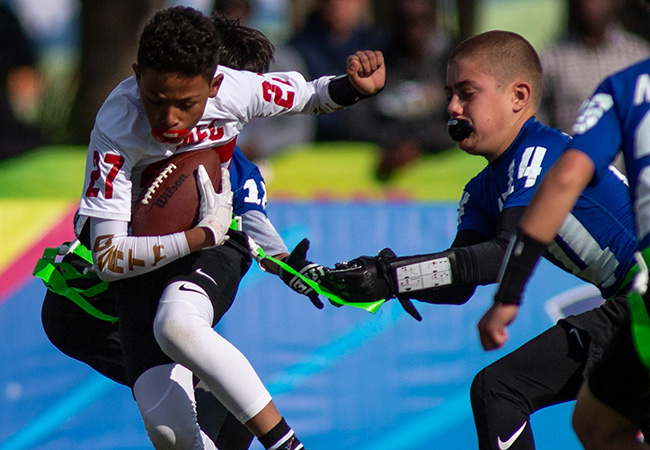
Teaching the right fundamentals of a skill at the right time keeps sports fun and fulfilling. This outlook avoids overwhelming athletes while helping them grow successfully at a steady pace.
Starting with a step-by-step approach for each Skill – called a Skill Progression -- helps athletes achieve success before adding complexity. Once the basics of a skill are mastered, coaches can add more KPIs that help an athlete develop and compete at a higher level to achieve more success.
GAME TYPES & CATEGORIES
MORE WAYS TO PLAY
MORE ENTRY POINTS OPTIONS
FOR ATHLETES, PARENTS & LEAGUES
From flag to tackle, there are more ways to play football than ever before.
USA Football has outlined the progression of game types to provide leagues and players the entry-points and options to share and play the game.
Watch the video or keep reading below to see how game types can give your league or athlete more ways to enjoy the game.

NON-CONTACT
Flag
There are many ways to play. Non-contact allows athletes to experience many of the positions and skills of football, often on smaller and shorter fields with fewer players.
Flag is the primary game type in this category, and it’s a fun, fast-paced version of the sport played by millions of athletes and adults. Whether a player stays in Flag or moves onto another way to play, the core values of this game establish a strong foundation for athletic success.

CONTACT
Rookie Tackle® & Senior Tackle™
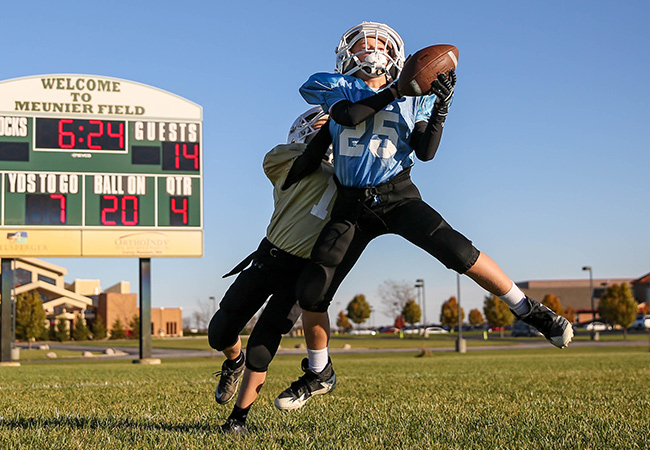
Contact football can be played in many ways – from the game we see on Sundays to small-sided games with fewer athletes. There are many ways to play Contact football.
Rookie Tackle® is a game type that condenses the field and adds rule modifications to make it more manageable and fun. Another game type is full-field tackle football, which is the game we’re all familiar with, often featuring 11 players on each side.